How IP Rotation Works: A Full Guide for Beginners
In today’s digital world, staying anonymous and efficient online is more important than ever. Whether you’re scraping data, tracking SEO rankings, or verifying ads, IP rotation is a game-changer. But what exactly is IP rotation, and how does it work? More importantly, why should you care? In this guide, we’ll break it all down for you—no tech jargon, just plain English. Plus, we’ll show you how Proxy 302 can make IP rotation a breeze with its 65M+ global IPs, city-level targeting, and pay-as-you-go model. Let’s get started!
What is IP Rotation?
Imagine you’re at a masquerade ball, wearing a different mask in each room so that nobody sees your real face. That’s essentially what IP rotation does for your online activities. IP rotation is the process of automatically switching between multiple IP addresses while browsing the web or performing tasks online. This keeps your real IP address hidden from the websites you visit.
Static IPs vs. Rotating IPs
- Static IPs: These are fixed IP addresses that don’t change. They’re great for tasks that require consistency, like hosting a website.
- Rotating IPs: These are dynamic IP addresses that change at regular intervals or after each request. They’re perfect for tasks that require anonymity and scalability, like web scraping or ad verification.
While static IPs have their place, rotating IPs are the go-to solution for anyone who needs to spread requests across many IPs.
Why Use IP Rotation?
Enhance Online Privacy and Anonymity
In an age where digital footprints are closely monitored, maintaining privacy online is crucial. IP rotation helps in masking your real IP address, making it harder for websites and online services to track your activities. This is particularly beneficial for individuals concerned about their online privacy or those living in regions with strict internet regulations.
Handle Rate Limits and Geo-Restrictions
Websites often limit or block IPs that send too many requests, to prevent abuse or overuse of their services. With IP rotation, each request can use a different IP address, so no single address carries all of the traffic. This is especially useful for accessing content that is geo-restricted or for engaging in activities like web scraping, where multiple requests are necessary.
Improve Success Rates in Web Scraping and Data Collection
For businesses and developers involved in web scraping, IP rotation is a game-changer. It allows you to collect data from websites without getting blocked, as each request appears to come from a different user. This increases the success rate of your data collection efforts and ensures you have access to the information you need.
Prevent Server Overload and Maintain a Stable Connection
Using a single IP address for multiple requests can lead to server overload and eventual blocking. IP rotation distributes the load across different IPs, ensuring a stable and uninterrupted connection to the target server.
How Does IP Rotation Work?
The Technical Process Behind IP Rotation
At its core, IP rotation involves using a pool of IP addresses and cycling through them for each request or session. This can be achieved through proxy servers like Proxy302, which act as intermediaries between your device and the internet. When you send a request, the proxy server assigns a new IP address from its pool, concealing your actual IP.
The first step in IP rotation is establishing a connection with a proxy server. A proxy server acts as an intermediary between your device and the internet. When you send a request to a website, it first goes through the proxy server, which then forwards it to the target site.
2. Selecting an IP Address from the PoolOnce the connection is established, the proxy server selects an IP address from its pool of available IPs. This pool can consist of millions of IP addresses, such as those offered by Proxy302, which boasts over 65 million IPs globally. The selection process can be random or follow a specific rotation pattern, depending on the configuration.
3. Assigning the IP Address to Your RequestAfter selecting an IP address, the proxy server assigns it to your outgoing request. This assigned IP address is what the target website sees, effectively masking your real IP address. This step is crucial for maintaining anonymity.
4. Sending the Request to the Target WebsiteWith the new IP address assigned, the proxy server forwards your request to the target website. The website processes the request as if it originated from the assigned IP address, not your actual one. This allows you to access content or services without revealing your true identity.
5. Receiving the Response and Rotating IPsOnce the target website responds, the proxy server receives the response and forwards it back to you. After the request is complete, the proxy server may immediately rotate the IP address for the next request, depending on the rotation settings.
6. Configuring Rotation Frequency and PatternsIP rotation can be configured to occur at different frequencies and patterns. Some common configurations include:
- Time-Based Rotation: IPs are rotated at regular intervals, such as every minute or hour.
- Request-Based Rotation: A new IP is assigned after a certain number of requests.
- Random Rotation: IPs are rotated randomly, so requests do not follow a fixed pattern.
To ensure continuous operation and minimize downtime, many IP rotation services implement failover and redundancy mechanisms. This means if one IP address is blocked or fails, another is quickly assigned from the pool, maintaining a seamless connection.
The Role of Proxy Servers
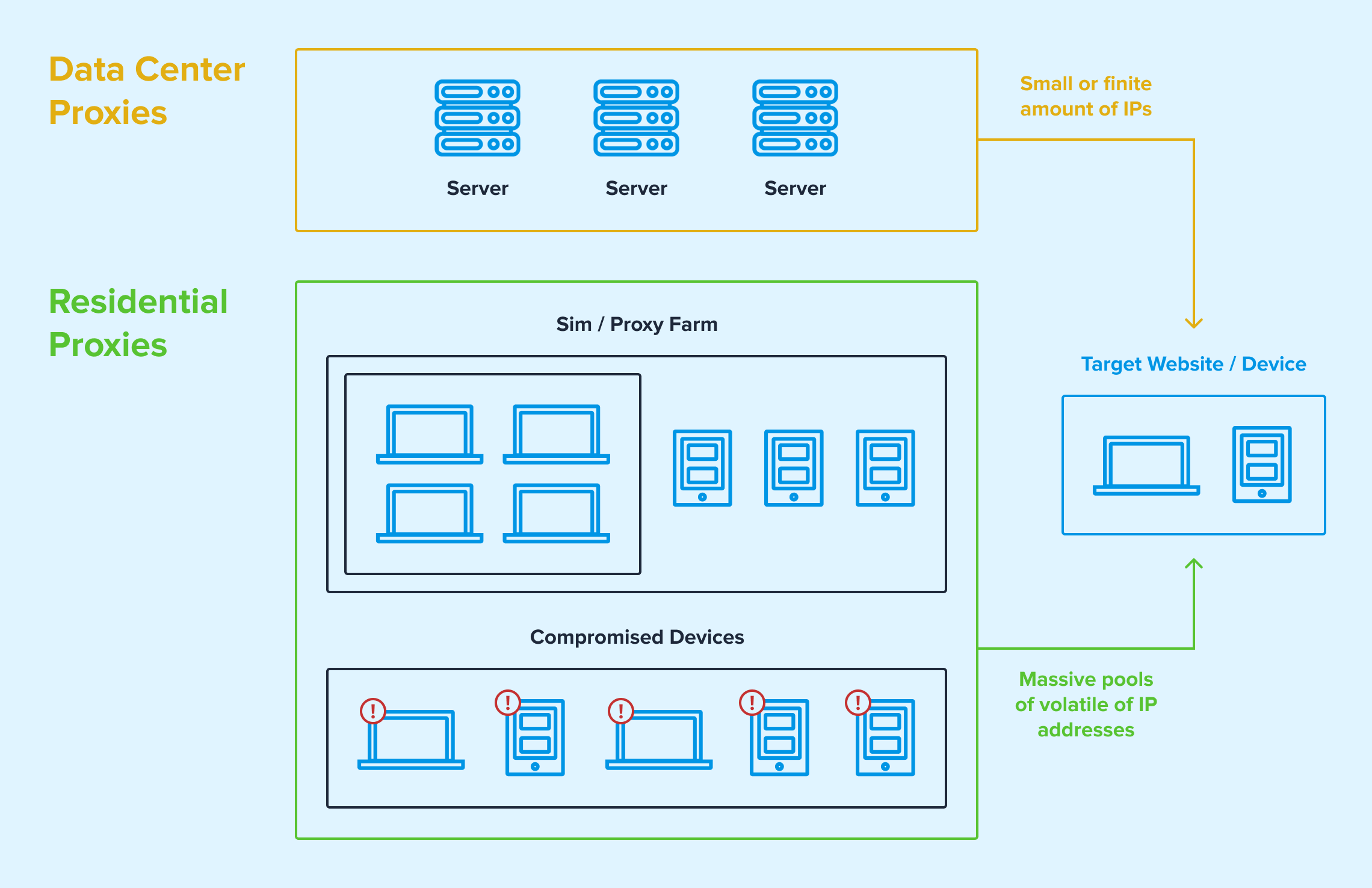
Proxy servers are essential for IP rotation. They manage the pool of IP addresses and handle the assignment process. There are different types of proxies used for IP rotation, including residential proxies, which use IPs from real devices, and datacenter proxies, which use IPs from data centers.
Types of IP Rotation
- Residential Proxies: These proxies assign IPs from real residential locations, making them appear more legitimate to websites. They are ideal for tasks requiring high anonymity and are less likely to be blocked.
- Datacenter Proxies: These proxies use IPs from data centers and are generally faster and cheaper. However, they may be more easily detected and blocked by websites.
Step-by-Step Guide to Implementing IP Rotation
1. Selecting an IP Rotation Service
Choosing the right IP rotation service is crucial for effective implementation. Consider factors such as the size of the IP pool, the types of proxies offered, and the pricing model. Proxy302 is a noteworthy option, offering over 65 million IPs globally, city-level targeting with residential proxies, and a pay-as-you-go model that eliminates the need for monthly subscriptions.
2. Setting Up Your IP Rotation
Once you’ve selected a service, setting up IP rotation involves configuring your proxy settings. Most services provide detailed instructions and support to help you get started. Typically, you’ll need to integrate the proxy settings into your browser or application, specify the rotation frequency, and test the connection to ensure it’s working correctly.
3. Configuring IP Rotation for Specific Use Cases
- Web Scraping: When setting up IP rotation for web scraping, it’s essential to use proxies that mimic real user behavior. This includes rotating IPs frequently and pacing requests so they stay within each site’s rate limits.
- Online Privacy: For enhanced privacy, consider using residential proxies that offer higher anonymity. Ensure your proxy service supports secure connections and regularly updates its IP pool.
- E-commerce and Ad Verification: Businesses involved in e-commerce and ad verification can benefit from IP rotation by ensuring accurate data collection and avoiding ad fraud. Use proxies that offer geo-targeting to test ads in different regions.
Benefits of IP Rotation
1. Avoid IP Bans
Websites often block IP addresses that make too many requests in a short time. With IP rotation, you can distribute your requests across multiple IPs, reducing the risk of getting banned. This is especially useful for web scraping and data collection.
2. Enhanced Anonymity
Your IP address is like your online fingerprint. By rotating IPs, you can mask your identity and browse the web anonymously. This is crucial for tasks like market research or competitor analysis.
3. Improved SEO Monitoring
Search engines like Google track IP addresses to detect suspicious activity. With IP rotation, you can monitor search engine rankings from different locations and see the results local users see.
4. Ad Verification
Ad fraud is a growing problem, costing businesses billions annually. IP rotation allows you to verify ad placements across different regions, ensuring your ads are displayed correctly and reaching the right audience.
Shocking stat: In May 2019, Juniper Research forecast that advertisers’ total loss to ad fraud would rise to $100 billion by 2023. IP rotation is a powerful tool to combat this.
5. Load Balancing
For businesses handling high traffic, IP rotation helps distribute requests evenly across servers. This improves performance and prevents server overload.
Static IPs vs. Rotating IPs: Which Is Better?
The answer depends on your needs. Here’s a quick comparison:
| Feature | Static IPs | Rotating IPs |
|---|---|---|
| Consistency | High | Low |
| Anonymity | Low | High |
| Scalability | Limited | High |
| Use Cases | Hosting, remote access | Web scraping, SEO, ad verification |
For tasks requiring anonymity and scalability, rotating IPs are the clear winner.
How to Choose the Right IP Rotation Service
Not all IP rotation services are created equal. Here’s what to look for:
1. Global IP Pool
The more IPs a service offers, the better. Proxy 302 boasts 65M+ IPs globally, ensuring you always have a fresh IP address at your disposal.
2. Geographic Coverage
Need to target specific locations? Look for a service that offers city-level targeting. Proxy 302’s residential proxies let you choose IPs from specific cities, giving you unparalleled precision.
3. Pay-As-You-Go Model
Why pay for a monthly subscription if you don’t need it? Proxy 302’s pay-as-you-go model lets you pay only for what you use, making it a cost-effective choice.
4. Speed and Reliability
Slow proxies can ruin your workflow. Proxy 302 offers high-speed proxies with 99.9% uptime, ensuring smooth and uninterrupted performance.
Conclusion
Understanding and implementing IP rotation can significantly enhance your online activities, from maintaining privacy to improving data collection efforts. By following this guide, you can effectively leverage IP rotation for your specific needs and enjoy a safer, more efficient online experience.
Ready to experience the benefits of IP rotation firsthand? 👉 Register and top up 👈With over 65 million IPs globally, comprehensive proxy types, including city-level targeting residential proxies, and a flexible pay-as-you-go model, Proxy302 is your ultimate solution for seamless IP rotation. Sign up now and take the first step towards a more secure and unrestricted internet experience. The smallest purchase is 1 GB of rotating residential traffic on the Budget line (US$1.50) or one IP for one day (from US$0.25).